Educational Resource on Men's Vitality and Wellness
Discover informational content about natural approaches to daily energy, balanced lifestyle, and overall wellness for men

Discover informational content about natural approaches to daily energy, balanced lifestyle, and overall wellness for men
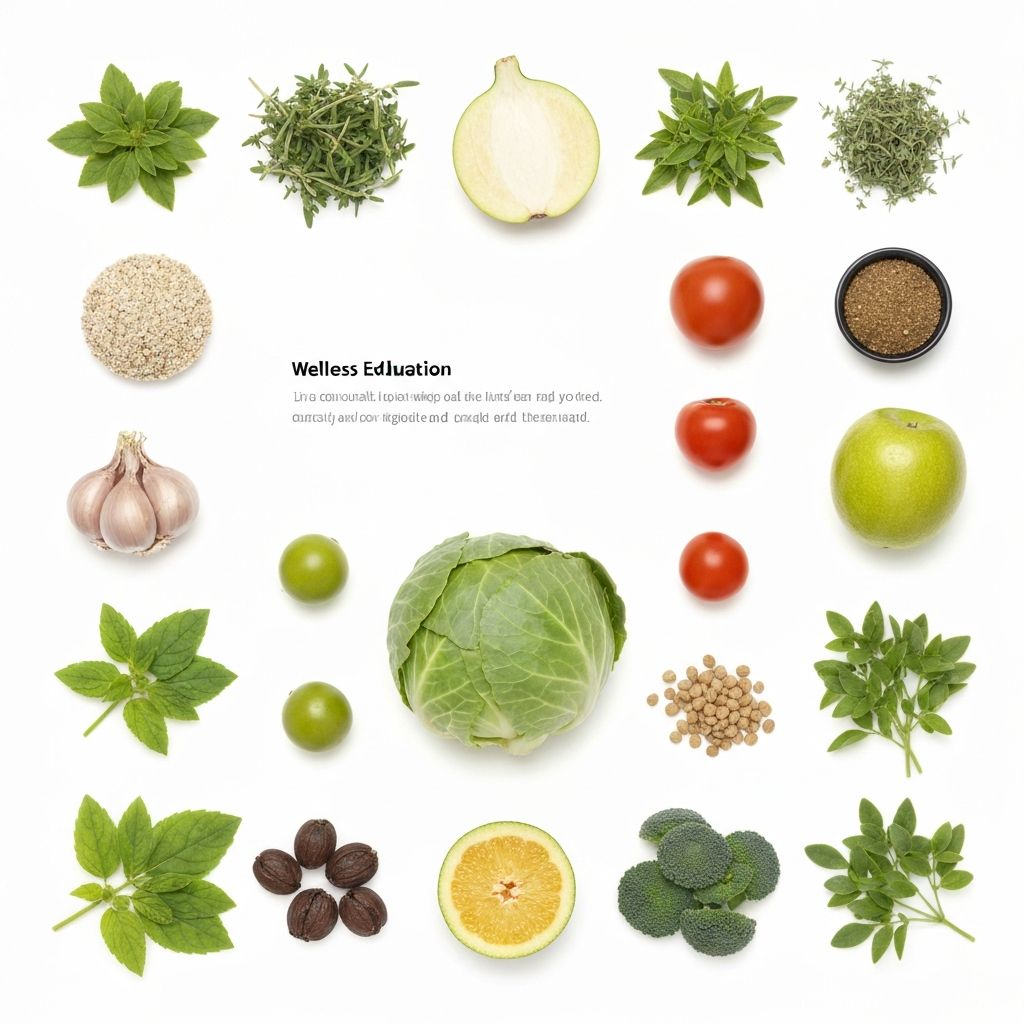
Natural approaches to men's wellness have been studied and documented across various cultures and time periods. This educational resource explores how different lifestyle factors, nutritional choices, and daily routines may relate to overall vitality and energy levels.
The concept of natural wellness encompasses a broad range of topics, from understanding plant-based nutrients to exploring the role of physical activity in daily life. Historical records show that many cultures developed their own understanding of how natural ingredients and lifestyle practices contributed to general well-being.
This platform provides educational information about these topics, presenting scientific and cultural perspectives without offering personal recommendations or therapeutic advice. Our aim is to explain concepts and provide context for further learning.

Daily energy levels are influenced by numerous interconnected factors including sleep patterns, nutritional intake, physical activity, and stress management. Research in chronobiology has shown that human energy follows natural circadian rhythms that respond to environmental cues.
Various lifestyle components have been studied in relation to vitality and energy. These include regular physical movement, adequate rest periods, exposure to natural light, and engagement in purposeful activities. Each of these elements plays a role in the complex system of human wellness.
Educational materials on this topic often describe how different populations have approached daily routines and energy management throughout history, providing insights into diverse perspectives on wellness maintenance.
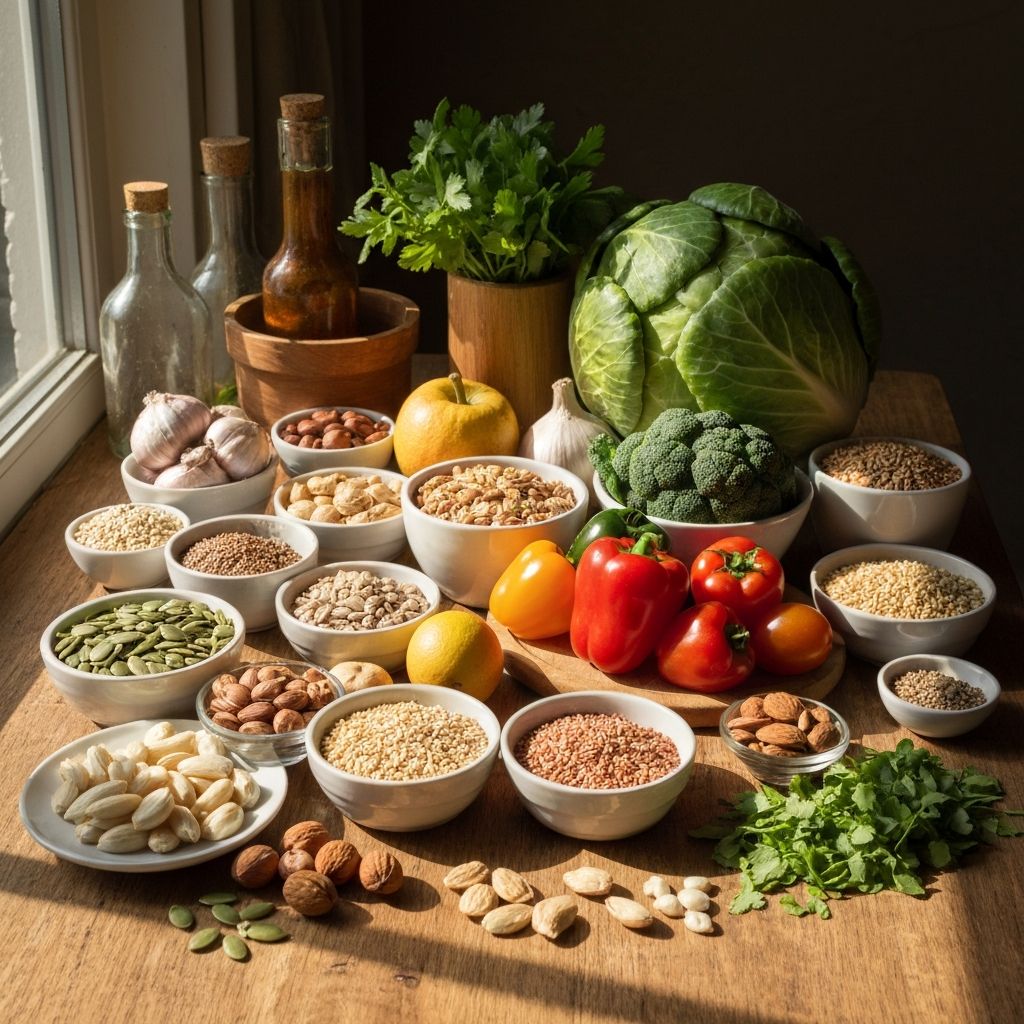
Nutritional science has identified numerous compounds in plant-based foods that contribute to overall wellness. These include vitamins, minerals, antioxidants, and phytonutrients that serve various functions in human physiology.
Common food sources studied in nutritional research include leafy greens, nuts, seeds, whole grains, and colorful vegetables. Each category provides different nutritional profiles that researchers continue to investigate.
Various dietary patterns have been observed across different cultures and time periods. Mediterranean, Asian, and traditional whole-food approaches each offer unique perspectives on nutritional balance and food selection.
This educational content describes these patterns from an informational standpoint, explaining their characteristics and historical contexts rather than prescribing specific dietary changes.
Physical movement has been recognized across cultures as an important aspect of daily life. Different forms of activity, from walking to structured exercise, have been documented in relation to general well-being and energy levels.
Research in exercise science explores various intensities and durations of physical activity, examining their relationships to cardiovascular function, muscular strength, and metabolic processes.
Sleep science has advanced significantly in recent decades, revealing the complex processes that occur during rest periods. Quality sleep involves multiple stages, each serving different physiological functions.
Cultural practices around rest and recovery vary widely, with different societies developing unique approaches to balancing activity and restoration.
The study of stress and its effects on human physiology represents an important area of wellness research. Various techniques for stress awareness and management have been documented, ranging from breathing exercises to mindfulness practices.
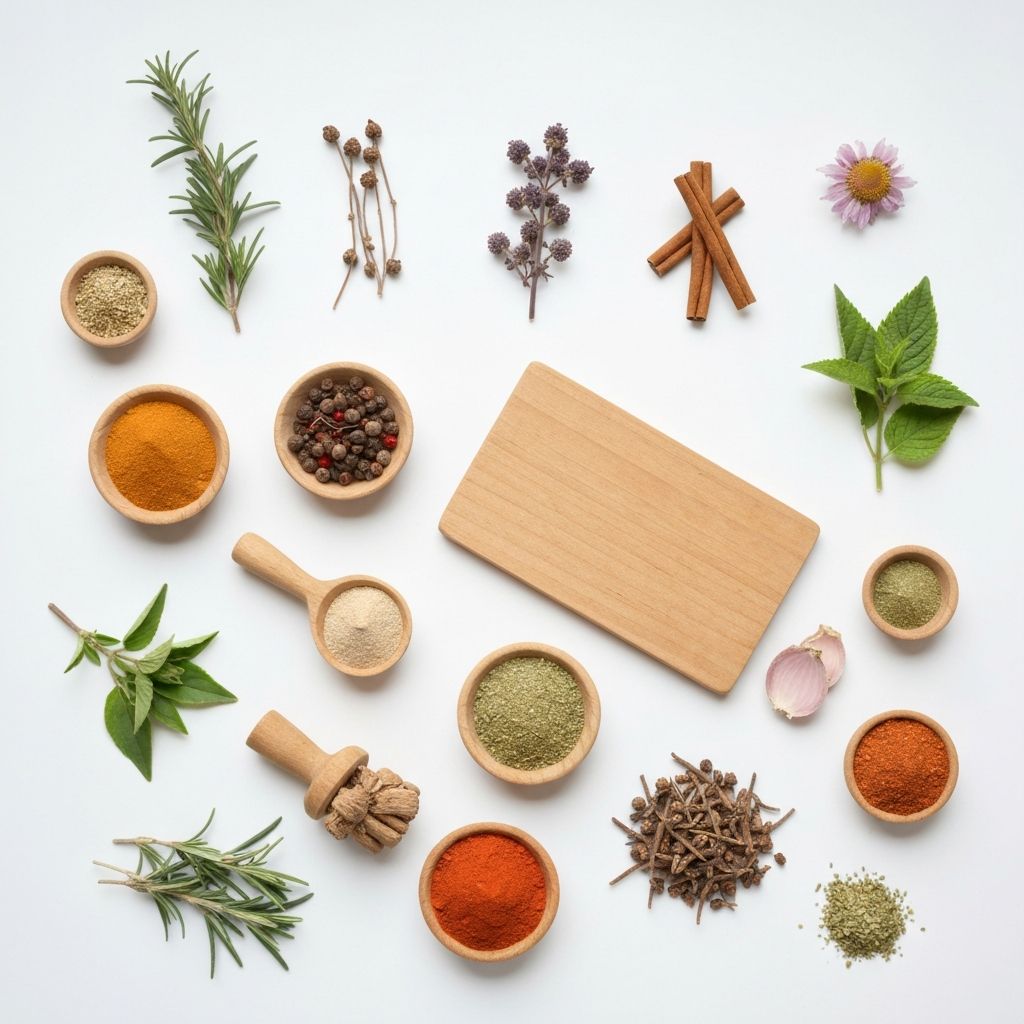
Scientific literature contains extensive documentation of plant compounds and their biochemical properties. Research methodologies include laboratory analysis, population studies, and systematic reviews of existing evidence.
Common areas of investigation include antioxidant capacity, mineral content, vitamin profiles, and the presence of specialized plant compounds. This research contributes to our understanding of how different foods may fit into overall nutritional patterns.
Many cultures developed sophisticated systems of knowledge about plants and their uses. These traditional approaches, documented by anthropologists and ethnobotanists, provide historical context for understanding human relationships with natural ingredients.
Modern research sometimes examines traditional practices to identify compounds of scientific interest, creating a dialogue between historical knowledge and contemporary investigation.
Fact: Wellness involves multiple interconnected factors. No single food, supplement, or practice can address the complexity of human health. Scientific evidence supports multifaceted approaches involving nutrition, activity, rest, and social connection.
Fact: Lifestyle changes typically require sustained effort over time. Research on habit formation and physiological adaptation shows that meaningful changes generally develop gradually through consistent practice.
Fact: Individual variation in genetics, lifestyle, environment, and preferences means that wellness approaches are highly personal. What works well for one person may not be suitable for another.
Fact: Natural substances can have powerful effects and potential interactions. The term natural does not automatically indicate safety or appropriateness for any given individual.
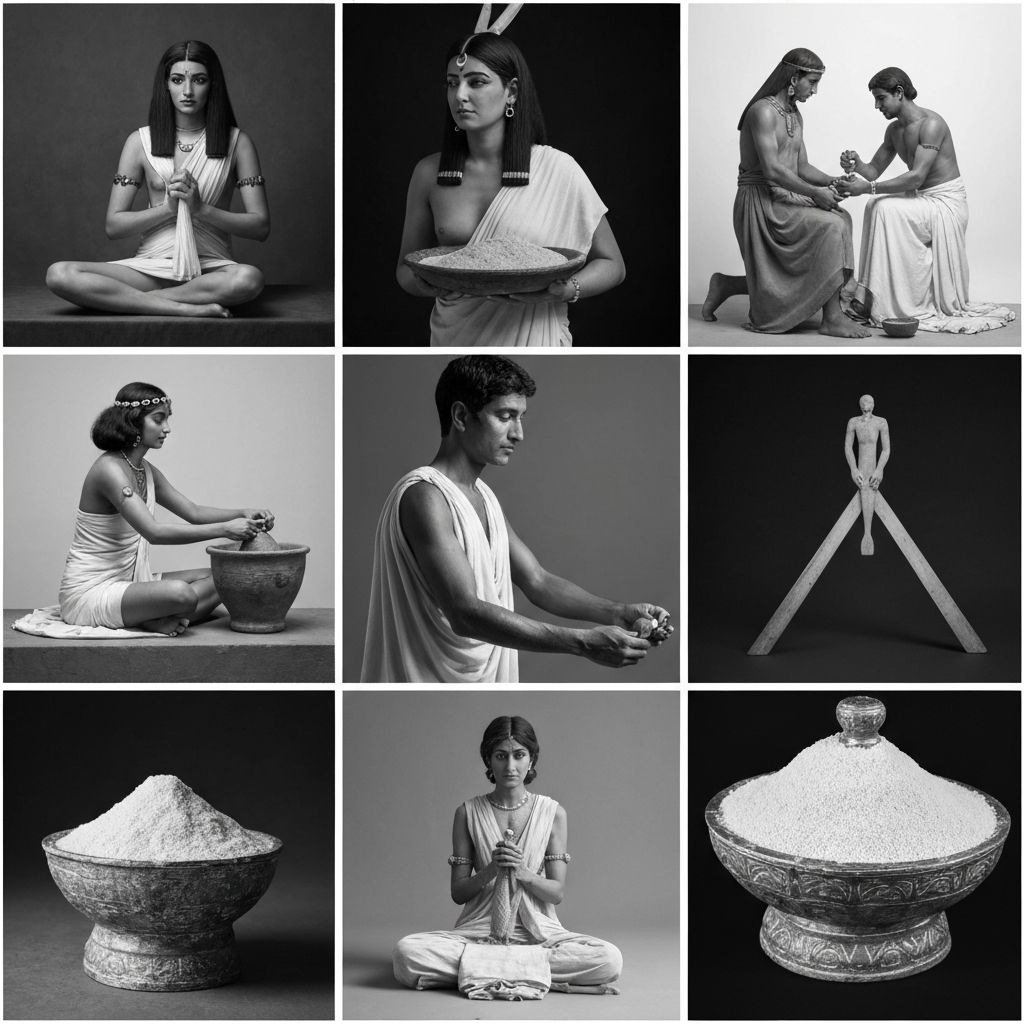
Historical records from various civilizations describe approaches to maintaining vitality and balance. Ancient Greek, Chinese, Indian, and Middle Eastern texts contain detailed observations about lifestyle, nutrition, and daily practices.
These historical systems often emphasized balance, moderation, and harmony with natural cycles. While developed in different cultural contexts, many share common themes about the importance of diet, exercise, and mental well-being.
Knowledge about human wellness has evolved significantly over time. The development of scientific methods in recent centuries has added new dimensions to traditional observations, creating opportunities for evidence-based exploration.
Contemporary wellness education often draws from both historical wisdom and modern research, recognizing that different knowledge systems can offer complementary perspectives.
Informational Purpose: All content on this website is provided for educational and informational purposes only. This resource explains concepts and provides context about natural approaches to wellness.
No Personal Recommendations: This website does not provide individual advice, recommendations, or guidance. The information presented describes general concepts and should not be interpreted as personal instruction.
Diversity of Approaches: Wellness practices vary widely across individuals and cultures. What is described here represents general educational information, not prescriptive guidance.
No Substitute for Professional Consultation: This educational content does not replace consultation with qualified professionals. Individual circumstances require personalized assessment and guidance.
Educational content only. No medical services. No promises of outcomes.
This website serves as an educational resource providing information about natural approaches to men's wellness. It explains concepts, describes research findings, and offers historical and cultural context.
No. This is an informational resource only. We do not provide individual recommendations, guidance, or advice. All content is educational in nature.
No. This website is purely educational and does not sell products, services, or offer commercial transactions of any kind.
This website provides general educational content only. Personal health decisions should be made in consultation with qualified professionals who can assess individual circumstances.
Content draws from published research, historical records, cultural documentation, and scientific literature. This material is presented for educational purposes to explain concepts and provide context.
VitaMen is an independent educational project dedicated to providing informational content about natural wellness approaches. See our About page for more details.
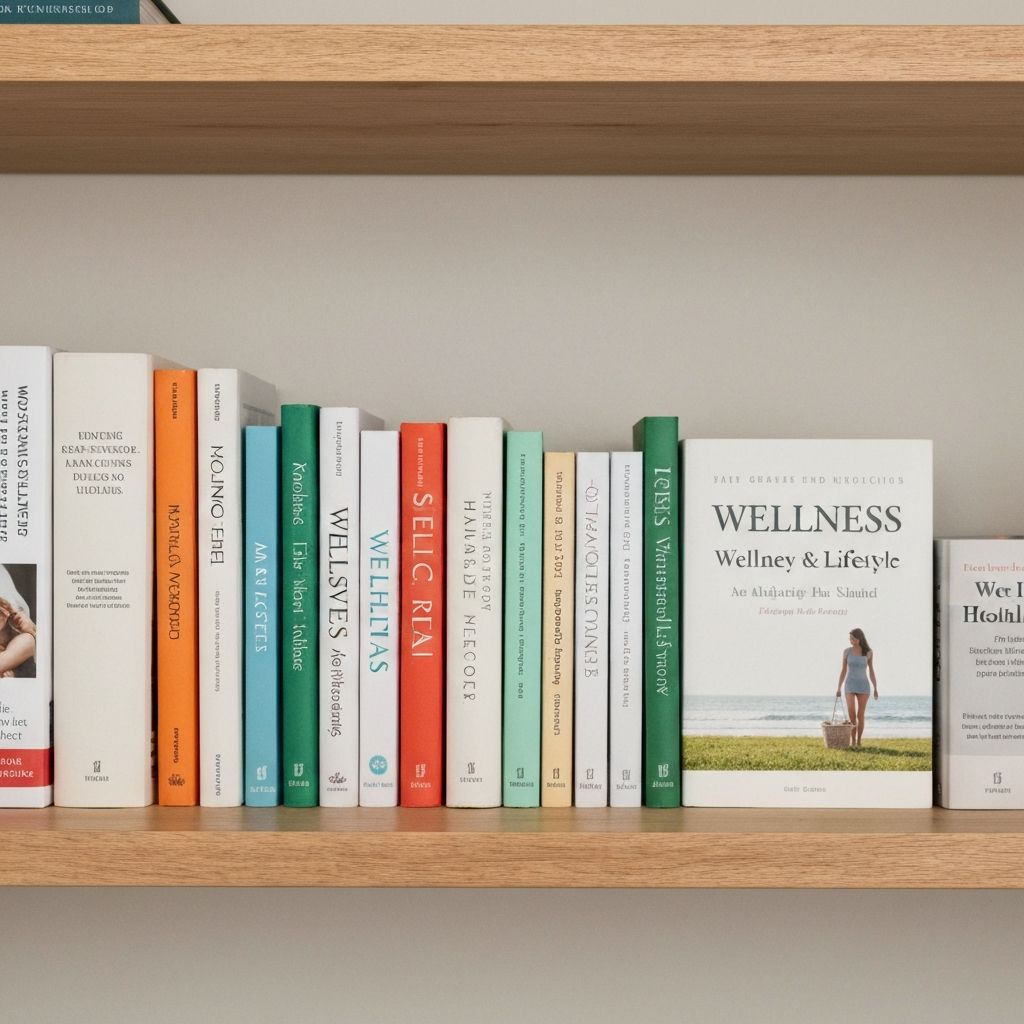
For those interested in learning more about the topics covered on this website, numerous educational resources are available through academic institutions, public libraries, and scientific publications.
Many universities and research institutions provide free educational materials on these subjects. Public libraries often have extensive collections of books and journals covering wellness topics from scientific and cultural perspectives.
Explore more informationReceive educational updates about men's wellness topics and new content on this platform.
This form is for informational newsletter only. We do not sell directly.